




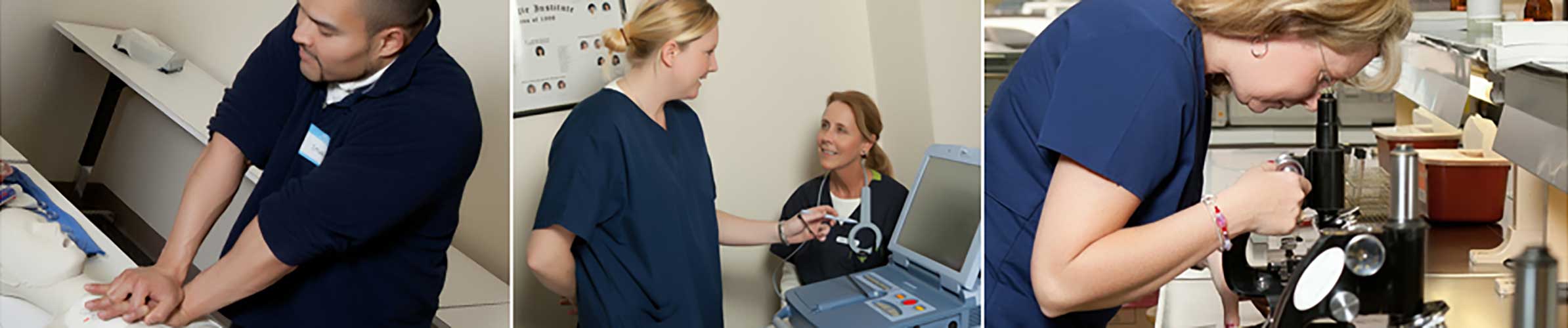
Pacemaker/ICD Technician Program
Cardiac pacing is a widely accepted treatment for patients with a malfunctioning natural pacemaker, which causes the heartbeat to be too fast, slow, irregular, or present a blocked electrical pathway.
Our Pacemaker/ICD Technician Program will prepare you for a rapidly growing and rewarding career in interpreting, interrogating, and re-programming cardiac pacing devices.
In addition to being a life-saving procedure, pacemaker implantation restores a regular heart rhythm and improves the patient’s quality of life.
The Pacemaker/ICD Technician is trained to participate in the care of patients requiring cardiac device therapy. The student is taught to manage remote device transmissions and accurately chart and report on pacemaker device performance.
The core curriculum includes the following:
- Anatomy & Physiology/Pathophysiology
- Therapeutic Communications/HIPAA
- Basic and advanced electrocardiography (EKG)
- Cardiovascular Pharmacology
- Fundamentals of Physics
- IV Administration
- CPR
- Vital Signs
- Basic medical electronics and instrumentation
- Understanding diagnostic and therapeutic procedures in ECG exercise stress testing, telemetry, and pacemaker analysis.
As students progress, they will gain knowledge of normal and abnormal electrophysiology, heart block, and the electrical conduction system of the heart.
The training explores terminology, critical thinking, and decision-making skills related to using cardiac devices in the treatment of bradycardias and tachycardias, as well as their use as an adjunct in treating congestive heart failure.
The student will be able to
- Recognize normal device function
- Utilize special features to optimize therapy
- Identify complications of pacing therapy
- Evaluate the patient’s symptoms
- Recognize and address problems encountered with device therapy
Is a Career as a Pacemaker/ICD Technician Right For You?
Take the Free Healthcare Career Training Readiness Quiz!
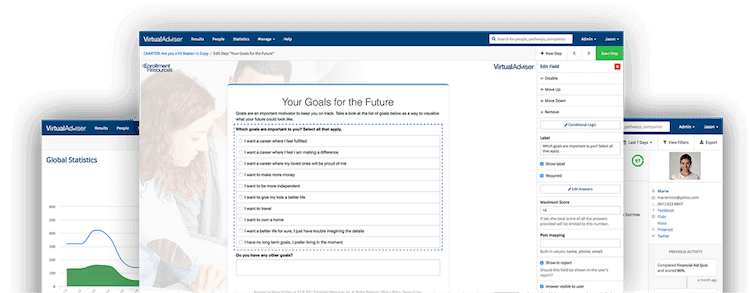
In only 3 minutes, receive a personalized report identifying your strengths and social style. Learn what training & careers are best for you!
Specialized classes emphasize
- Pacing system
- Pulse generator
- Significance of hemodynamics during single, dual, and biventricular pacing and programming
- Concepts related to the implantable cardioverter defibrillator (ICD)
The Clinical and Externship Experience
The clinical/externship rotation is an integral part of the training program. Eligible students are assigned to a school-approved clinical site by the Program Director. Students will maintain this rotation until all required hours have been completed within the allotted time frame. The school clinical site coordinator visits hospitals to assess the student’s satisfactory progress.
Due to the technical nature of this program, students must have prior training in allied health, recent clinical work experience, and college credits in anatomy & physiology, as well as math and science.
Career Placement
The knowledge and skills acquired prepare students for entry-level, responsible positions as Pacemaker/ICD Technicians in pacemaker clinics and the industry.
Other Programs Carnegie Institute Offers
- Cardiac Electrophysiology Technologist
- Cardiology Technician
- Cardiovascular Technologist
- Electroneurodiagnostic Technologist
- Invasive Cardiovascular Technologist
- Massage Therapy
- Medical Assistant (Full-Time and Part-Time)
- Medical Insurance Biller
- Vascular Technologist
Textbooks & Reference Manuals
| Publisher | Title | Author | ISBN | Price |
|---|---|---|---|---|
| Lippincott | ECG Workout Book | Huff | 978-1-4511-1553-6 | $52.79 |
| APRN World | Cardiac Pharmacology, 2nd Edition | Nair | 978-194-100-4128 | $74.95 |
| Elsevier | Anatomy & Physiology, 9th Edition | Patton/Thibodeau | 978-0-3232-9883-4 | $199.00 |
| Blackwell Publishing | Cardiac Pacing and ICD's | Ellenbogen | 978-0-4706-7423-9 | $86.25 |
| Elsevier | Netter's Cardiology | Netter | 978-1-1184-5951-5 | $74.95 |